
What role does anthracology play in preventive excavations?
Reading time:
Written by:
Article Outline
- Understanding anthracology in the context of preventive excavations
- Anthracology definition and methodology
- The importance of coals in preventive archaeology
- Anthracology and C14 dating: an essential preliminary step
- Selection and preparation of coals for dating
- Complementarity between anthracology and radiocarbon dating
- The role of specialized anthracology laboratories in securing excavation results
- The scientific expertise of archaeological analysis laboratories
- CIRAM, a partner for preventive archaeology teams

For archaeologists, every fragment discovered during a preventive excavation can reveal valuable information about past societies. Among the disciplines mobilized during excavations,anthracology occupies an essential place. Studying archaeological charcoal not only enables us to reconstruct ancient environments, but also to better understand the use of wood and human practices. It is also a key step in preparing for carbon-14 dating, guaranteeing reliable and relevant results.
In this article, we first explore what anthracology is and its specific role in preventive archaeology. We will then look at how it complements carbon-14 dating, by optimizing sample selection. Finally, we look at the role and added value of specialist archaeology laboratoriessuch as CIRAM, which support teams of archaeologists in the interpretation and scientific enhancement of remains.
In summary:
- Theanthracology studies archaeological charcoal to reconstruct ancient environments and better understand ancient human practices.
- In preventive archaeology, anthracology helps identify the most relevant charcoal samples and minimize bias prior to carbon-14 dating.
- The combination of anthracology and radiocarbon dating ensures more reliable chronologies and a better interpretation of the remains.
- Drawing on its expertise in anthracology, C14 dating, and archaeometric analysis, CIRAM supports supports archaeological teams in preserving and scientifically evaluating their excavations.
Understanding anthracology in the context of preventive excavations
Cutting-edge discipline in archaeology, theanthracology offers preventive excavation teams an essential scientific tool for rapidly interpreting contexts and preparing the dating of remains.
Anthracology definition and methodology
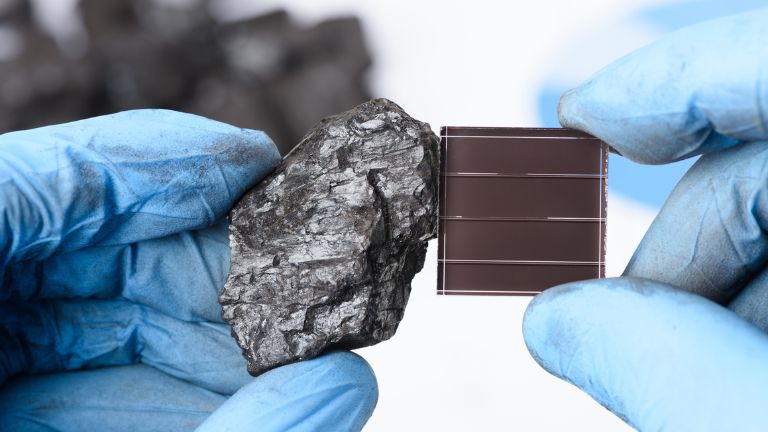
Anthracology is a branch of archaeobotany specializing in the study of carbonized wood (charcoal). This method of analysis relies on microscopic observation of anatomical structures, using techniques such as charcoal logging, to determine the species or genera of wood used in archaeological contexts.
Coals found in preventive excavations can come from fireplaces, combustion structures, burnt building components or natural fires. What they all have in common is that they faithfully preserve the anatomical structures of the original wood, enabling scientists to make precise taxonomic identifications.
However, analysis is not limited to simple recognition: it reveals human practices (choice of species, harvesting methods, combustion techniques) and the environments exploited by ancient societies.
The importance of coals in preventive archaeology
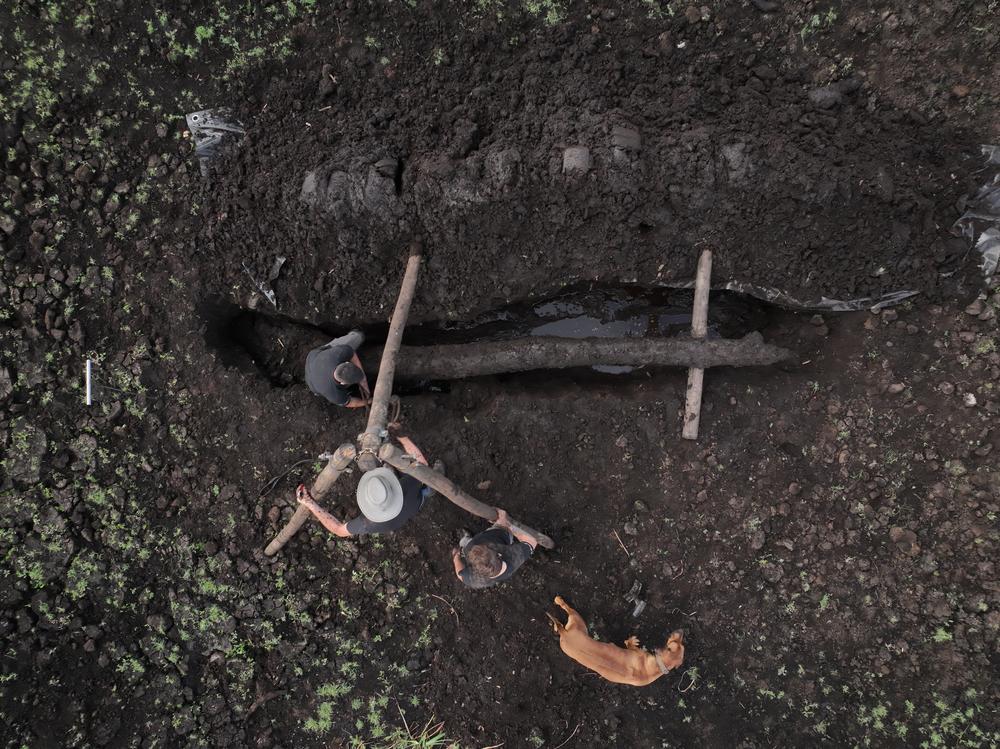
In preventive excavations, time and precision of analysis are decisive. That's why coals play a unique role. They are both evidence of local paleo-vegetation and the ideal material for carbon 14 dating (up to around 60,000 years).
In practical terms, anthracology helps archaeologists answer several strategic questions:
- What environments surrounded the excavated site? The study of charcoal allows us to reconstruct paleoenvironments and wood harvesting practices.
- Which coals to choose for dating? Criteria include preservation, size and stratigraphic position.
- How to avoid bias? Anthracology limits the "old wood" effect, which artificially ages chronologies.
The use of anthracology alone cannot restore the entirety of an ancient landscape. However, it is particularly relevant as a complement to other approaches (palynology, carpology, phytoliths). In a preventive context, it remains a tool of choice for orienting analyses and guiding the selection of datable charcoals.
Anthracology and C14 dating: an essential preliminary step
Combining anthracology and radiocarbon dating is no methodological luxury for archaeologists: it's the guarantee of reliable, scientifically usable chronologies for preventive excavations.
Selection and preparation of coals for dating
The selection of dateable charcoal samples is a critical step. Some fragments may come from older parts of a tree, introducing a temporal bias, while others, more recent, better reflect the archaeological event under study.
Thanks to anthracology, archaeologists can :
- Identify the most appropriate species
- Discard fragments likely to produce erroneous dating
- Ensuring consistency between stratigraphic context and dated material
Incorrect selection of charcoal inevitably has serious consequences: chronological inconsistencies, unusable results and loss of scientific value. Anthracology, when used upstream of a dating study, limits these risks and secures the reliability of established sequences.
Complementarity between anthracology and radiocarbon dating
Anthracology is often used as a preliminary step to C14 dating, since it ensures rigorous sample selection. Anthracology does not compete with any other dating method; on the contrary, it is a complementary analysis to radiocarbon dating. One selects the most reliable coals, the other provides precise dating.
This synergy directly addresses a key concern of preventive archaeologists: how to ensure that the dating obtained reflects the reality of the site? By guiding the selection of charcoals studied, anthracology reduces the margins of uncertainty and reinforces the robustness of the results.
In this way, the discipline is not limited to simply reading the environment: it becomes a key to chronology, contributing fully to archaeometric dating and the overall interpretation of remains.
The role of specialized anthracology laboratories in securing excavation results
Preventive excavations are time-sensitive. They therefore require rapid, rigorous and certified analyses. Only a laboratory specialized in anthracology and carbon-14 dating can offer archaeologists this level of guarantee.
The scientific expertise of archaeological analysis laboratories
An archaeological analysis laboratory does more than simply examine charcoal: it applies validated protocols, integrating non-destructive analysis methods, microanalysis and scientific imaging. It relies on specialized databases such as ANTHRACO to consolidate its interpretations.
This methodological rigor makes it possible to :
- Certify the selection of coals to be dated
- Ensuring traceability of results
- Avoid interpretative bias due to partial or non-standardized processing
For archaeological teams, the use of an expert laboratory transforms a regulatory constraint into a genuine scientific opportunity. Its intervention enhances the heritage value of the remains discovered.
CIRAM, a partner for preventive archaeology teams
CIRAM is France's leading archaeological analysis laboratory. With over 20 years' experience, CIRAM's scientific teams are key partners for archaeologists involved in preventive excavation projects. Its expertise covers anthracological archaeology, xylology, carbon-14 dating and archaeometric analysis of materials.
The laboratory's scientists advise and carry out :
- Wood species identification
- Selecting and preparing coals for dating
- Reliable, certified radiocarbon dating
This integrated approach meets the practical needs of archaeologists: to rapidly produce usable results, to secure scientific interpretations and to enhance the value of data within the framework of archaeological heritage management. Working with CIRAM ensures that each sample makes an effective contribution to the establishment of an accurate chronology and the faithful transmission of the past.
Applied anthracology in archaeology is an essential study for preventive excavations. By identifying wood species and guiding the selection of datable charcoals, it guarantees reliable and relevant carbon-14 dating. Coupled with radiocarbon dating, it provides precise chronologies and reduces the risk of misinterpretation.
For archaeologists and those in charge of preventive operations, the support of a specialized archaeological analysis laboratory is crucial. With over two decades of expertise, CIRAM supports offers a complete approach: anthracology, xylology, C14 dating and archaeometric analysis to secure and enhance the value of excavation results.
If you’re looking for a partner to analyze your charcoal samples and provide solid, useful scientific data, turn to the CIRAM team to help you better understand and protect the archaeological heritage you’ve uncovered. Request an anthracological study today to ensure the reliability of your analyses and enhance the insights gained from your excavation projects.
Share this article

You may have these questions about anthracology?
Not all charcoal fragments are suitable for radiocarbon dating. Some come from very old parts of a tree or have been displaced over time, which can skew the chronological interpretation. Anthracology makes it possible to identify the samples that are most representative of the archaeological context in order to obtain a reliable date.
Yes, but only partially. The study of charcoal provides information about the tree species present around a site and the types of wood selected by ancient populations. To reconstruct past landscapes more accurately, archaeologists generally combine the findings of anthracology with those of other disciplines, such as palynology or carpology.
Both of these disciplines study wood, but they do not focus on the same materials. Anthracology focuses on charred wood discovered during archaeological excavations, while xylology studies uncharred wood to identify the tree species used, the manufacturing techniques, or the origin of wooden objects.
Charcoal can originate from domestic hearths, ovens, combustion structures, building fires, landfills, or even ancient settlement layers. Studying it provides insights into human activities, wood management practices, and the environments that were utilized during different periods.
The anatomical identification of charcoal requires specialized expertise, appropriate equipment, and rigorous protocols. A specialized laboratory ensures the appropriate selection of samples, a reliable interpretation of the results, and, if necessary, their integration into a broader strategy that includes carbon-14 dating or other archaeometric analyses.
Related topics


Need more information or have a question?
Our team will get back to you as soon as possible.