

How to recognize bronze and differentiate it from brass?
Distinguishing a work of art in bronze from one in brass is not possible at a glance, however expert. Deceptive patinas, invisible restorations, sophisticated forgeries...

The thermoluminescence dating is a reliable scientific method for estimating the period of the final firing of ceramic or terracotta objects.
Contact our teams
The thermoluminescence relies on a physical phenomenon: the crystals (particularly quartz or feldspars) present in the ceramic accumulate, over time, energy from ambient natural radiation. When an object is heated for the last time (manufacturing firing), this energy is reset to zero.
By heating a sample in the laboratory, this energy is released in the form of light. Its intensity is used to estimate the age of the object : the stronger the light, the older the object.
This method applies to baked materials such as :
In the field of artdating, dating does not limit itself to situating an object in time: it constitutes a scientific proof of authenticity. The ceramic, terracotta, or porcelain works are particularly exposed to the risks of modern counterfeits, sometimes very elaborate, or of old undocumented restorations which can distort their reading.
For professionals in the sector - museums, private collectors, experts, curators or auction houses - it is therefore imperative to be able to rely on a rigorous and recognized method to certify the period of manufacture of an object.
The thermoluminescence dating is precisely the answer to this challenge, providing a reliable, objective analysis.
Contact our teams
It is important to distinguish between two types of thermoluminescence (TL) analysis. In the context of the art market, we refer to this as an age test : this method enables us to roughly estimate the period of the object's last firing. In the absence of an archaeological context, this is not an absolute dating, but a reliable indication of its age or modernity.
On the other hand, when an artifact is discovered in archaeological context, CIRAM scientists can achieve more precise dating by measuring the annual irradiation rate from the site.
For ceramic or terracotta art objects, CIRAM thus carries out a thermoluminescence dating, allowing the identification of the last cooking period of material with a high level of reliability.
Request a studyCIRAM supports has its own laboratory, entirely dedicated to the dating of ceramic and terracotta objects. Our teams of doctors and engineers apply rigorous protocols identical to those used in public research laboratories.
We use a state-of-the-art device: the LexsygSmart TL-OSL, designed to guarantee :
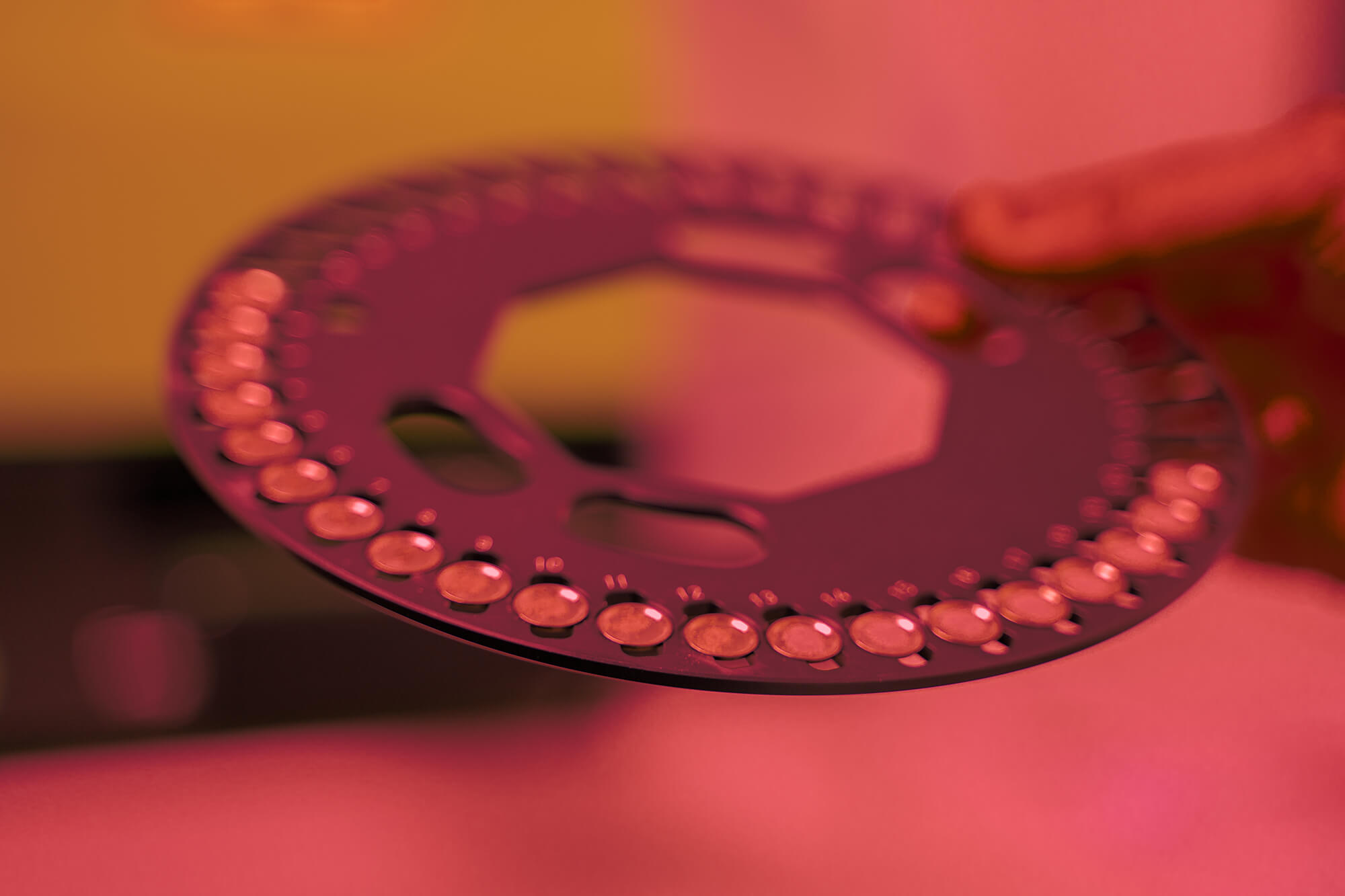
Analysis begins with the collection of a sample, which is then cleaned and treated to isolate luminescent minerals (quartz, feldspars). The grains are then heated in a TL-OSL reader, under controlled darkness. The light emitted is captured by a photomultiplier, then the intensity of the natural signal is compared with that obtained after adding doses of artificial irradiation.
Each step follows a rigorous protocol, ensuring traceability, reproducibility and scientific reliability of results.
More sophisticated fakes can be detected usingX-ray, 3D scanner3D scanners
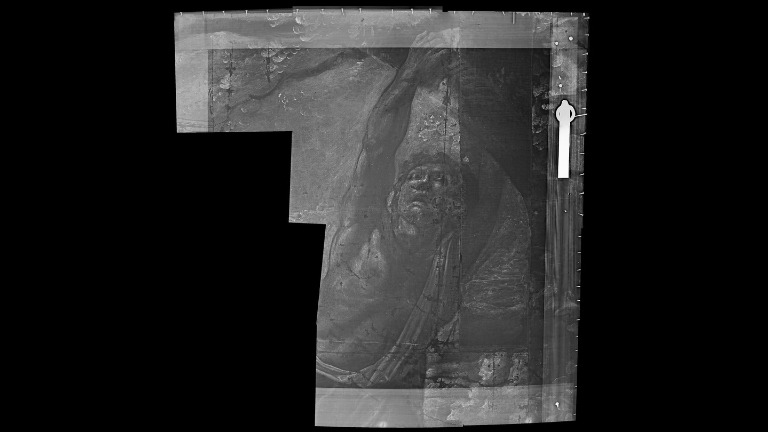
Coupling X-ray radiography or 3D scanning with thermoluminescence (TL test) will reveal the object's internal structure, any areas of restoration and any reassembly.
Finally, the analysis and interpretation of the results by our doctors and engineers guarantee the reliability of the results.
Specialized in the study of objets d'art, CIRAM supports has been helping museums, collectors, auction houses and experts to date ceramic and terracotta piecesfor over 20 years. Our state-of-the-art equipment, such as the TL-OSL LexsygSmartreader, and our rigorous protocols ensure accurate results, interpreted by doctors of science. Each analysis is the subject of a complete, clear and usable report.
Reactive and available, our teams guarantee you personalized support to secure your appraisals, acquisitions and sales.
Trust our experts to support you in your analysis projects.
Contact our teamsThe method applies to all fired minerals: terracotta, earthenware, porcelain, tiles, statuettes, sculptures, fragments and ethnographic ceramics.
In the context of the art market, this is an age test: the method provides a reliable estimate of the firing period, with a margin of error of around ±20%. In an archaeological context, precision can be refined by measuring the annual irradiation rate.
The average turnaround time is 2 to 3 weeks, depending on the complexity of the object, the waiting line and any additional analyses required (3D scanner, X-ray, etc.).
Rates depend on the type of object, the complexity of the analysis and the additional services required. For a precise quotation, please contact our teams.
Distinguishing a work of art in bronze from one in brass is not possible at a glance, however expert. Deceptive patinas, invisible restorations, sophisticated forgeries...
A simple signature can make the difference between an anonymous work and a masterpiece valued in the millions on the art market. But what happens when that signature is...
Knowing how to recognize an authentic antique bronze is a strategic issue for art professionals, to guard against fakes. Patina, composition, corrosion: every clue can help you...
How to analyze a work of art without damaging it? Thanks to non-destructive analysis techniques, it is now possible to access valuable information about pigments, re...
Should optical imaging or radiography be used to analyze a work of art, an archaeological object or an industrial material? Behind this question lie the crucial issues of...
X-ray analysis of paintings allows us to examine a work’s internal structure without damaging it. Using X-rays, this technique reveals past restorations, retouching, cracks, and…