Find out all the latest CIRAM news on analysis, in the worlds of archaeology, art and industry.
Archaeology
Fossilized wood samples dated by CIRAM lab
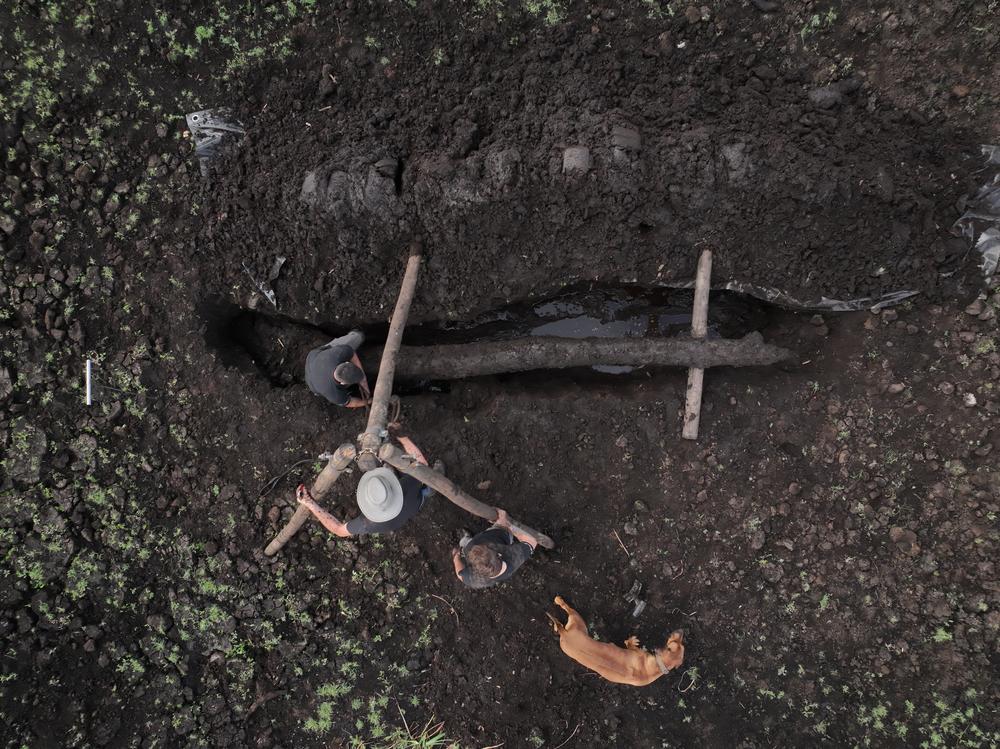
Reading time: Written by: Article outline CIRAM recently dated two pieces of fossilized wood: a “morta” oak and a marsh yew. Both were found buried in the same place…
Comparison between carbon-14, TL, and OSL: which method should you choose?
Choosing the right dating method in archaeology is not just a technical issue: it is a key decision that guides the entire interpretation of a site. Which technique to choose...
How carbon-14 analysis helps preserve biodiversity
How can we retrace the invisible history of ecosystems and better understand the dynamics of biodiversity? Thanks to carbon-14 dating, researchers now have a scientific tool that they can use to...
How to recognize bronze and differentiate it from brass?
Distinguishing a work of art in bronze from one in brass is not possible at a glance, however expert. Deceptive patinas, invisible restorations, sophisticated forgeries...
The limits of carbon-14 dating: when should we turn to other methods?
How do you know whether a work of art, an archaeological object or a heritage item is really as old as it claims to be? Carbon-14 dating is often the method of choice, but it can also be used to...
How to recognize a forged signature on a painting?
A simple signature can make the difference between an anonymous work and a masterpiece valued in the millions on the art market. But what happens when that signature is...
What role does anthracology play in preventive excavations?
Anthracology plays a key role in preventive excavations: by studying archaeological coals, it sheds light on past human practices and paves the way for carbon dating...
Knowing how to recognize an authentic antique bronze is a strategic issue for art professionals, to guard against fakes. Patina, composition, corrosion: every clue can help you...
How can you authenticate a work of art or an archaeological relic with scientific rigor? Carbon-14 dating offers a reliable and precise method for analyzing organic materials...
Reading time: Written by: Article outline CIRAM recently dated two pieces of fossilized wood: a “morta” oak and a marsh yew. Both were found buried in the same place…
Comparison between carbon-14, TL, and OSL: which method should you choose?
Choosing the right dating method in archaeology is not just a technical issue: it is a key decision that guides the entire interpretation of a site. Which technique to choose...
How carbon-14 analysis helps preserve biodiversity
How can we retrace the invisible history of ecosystems and better understand the dynamics of biodiversity? Thanks to carbon-14 dating, researchers now have a scientific tool that they can use to...
How to recognize bronze and differentiate it from brass?
Distinguishing a work of art in bronze from one in brass is not possible at a glance, however expert. Deceptive patinas, invisible restorations, sophisticated forgeries...
The limits of carbon-14 dating: when should we turn to other methods?
How do you know whether a work of art, an archaeological object or a heritage item is really as old as it claims to be? Carbon-14 dating is often the method of choice, but it can also be used to...
How to recognize a forged signature on a painting?
A simple signature can make the difference between an anonymous work and a masterpiece valued in the millions on the art market. But what happens when that signature is...
To provide the best experiences, we use technologies such as cookies to store and/or access device information. Consenting to these technologies will allow us to process data such as browsing behavior or unique IDs on this site. Failure to consent or withdrawal of consent may adversely affect certain features and functions.
Functional
Always on
Storage or technical access is strictly necessary for the legitimate purpose of enabling the use of a specific service explicitly requested by the subscriber or user, or for the sole purpose of transmitting a communication over an electronic communications network.
Preferences
Storage or technical access is necessary for the legitimate purpose of storing preferences not requested by the subscriber or user.
Statistics
Storage or technical access used exclusively for statistical purposes.Storage or technical access that is used exclusively for anonymous statistical purposes. In the absence of a subpoena, voluntary compliance by your Internet service provider or additional third-party records, information stored or retrieved for this sole purpose generally cannot be used to identify you.
Marketing
Storage or technical access is necessary to create user profiles in order to send advertisements, or to track the user on a website or on several websites with similar marketing purposes.