Fossilized wood samples dated by CIRAM lab
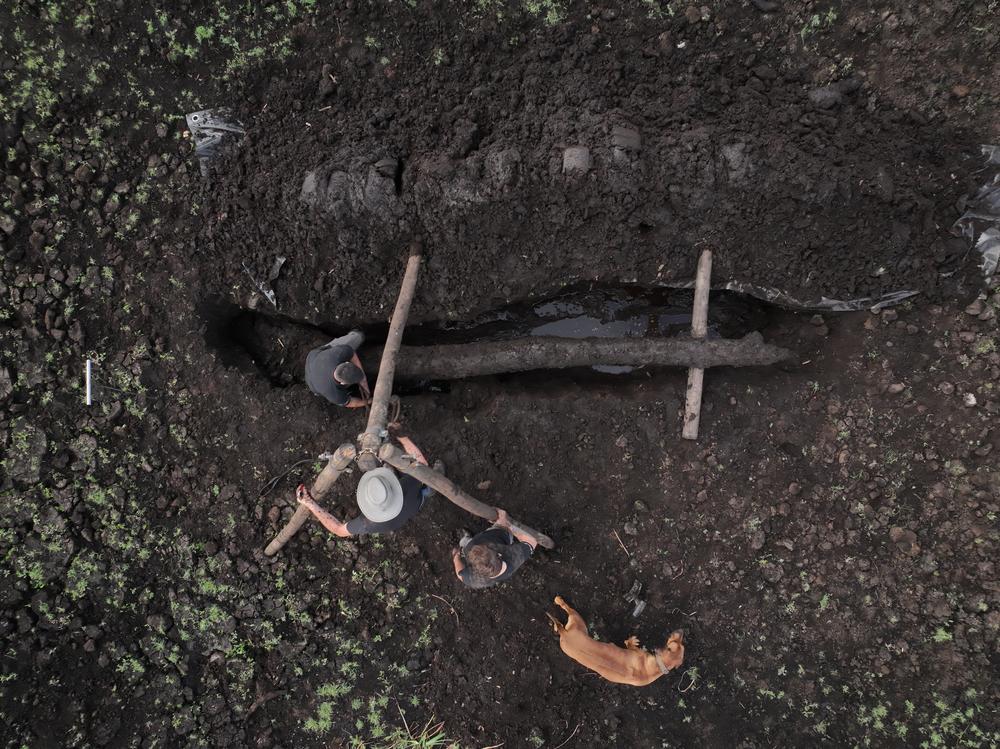
Reading time: Written by: Article outline CIRAM recently dated two pieces of fossilized wood: a “morta” oak and a marsh yew. Both were found buried in the same place…

Visit optical imaging techniques reveal details invisible to the naked eye, while respecting the integrity of the works.
Contact our teams
Optical imaging offers a fine, non-invasive exploration of works of art, revealing elements invisible to the naked eye. It enables us to examine both surface layers (varnish, pigments, retouching) and underlying layers (preparatory drawings, repentirs, hidden signatures), without touching or altering the material.
Particularly suited for paints, wall frescoes, ancient manuscripts, decorated objects or polychromes, this method of imaging method contribute to tracing the creative process, to identify the past interventions and to better understand thestate of preservation.
It is a key first step in any study, restoration or authentication protocol.
Contact our teams
Optical imaging methods are non-destructive and non-contact. They respect the conservation constraints of old, fragile or unique works of art. Unlike chemical or physical analysis techniques, they require no sampling.
These tests can easily be integrated into cross-analysis protocols, notably with radiocarbon datingdating, microanalysis or radiography. Together, these techniques offer a complete scientific reading of the object.
CIRAM supports performs these analyses:
A reliable, scientifically-proven mobile solution for heritage research and preservation.
Request a quoteThe exams in visible light constituent une première approche fondamentale dans l’analyse des œuvres. Ils permettent d’observer les physical characteristicsdating, surface alterations and certain elements techniques related to the creation or conservation of the object. CIRAM uses three complementary types of imaging:
These techniques, which are entirely non-destructive, enhance the visual diagnosis and provide invaluable clues as to the condition, material history and manufacture of the works.
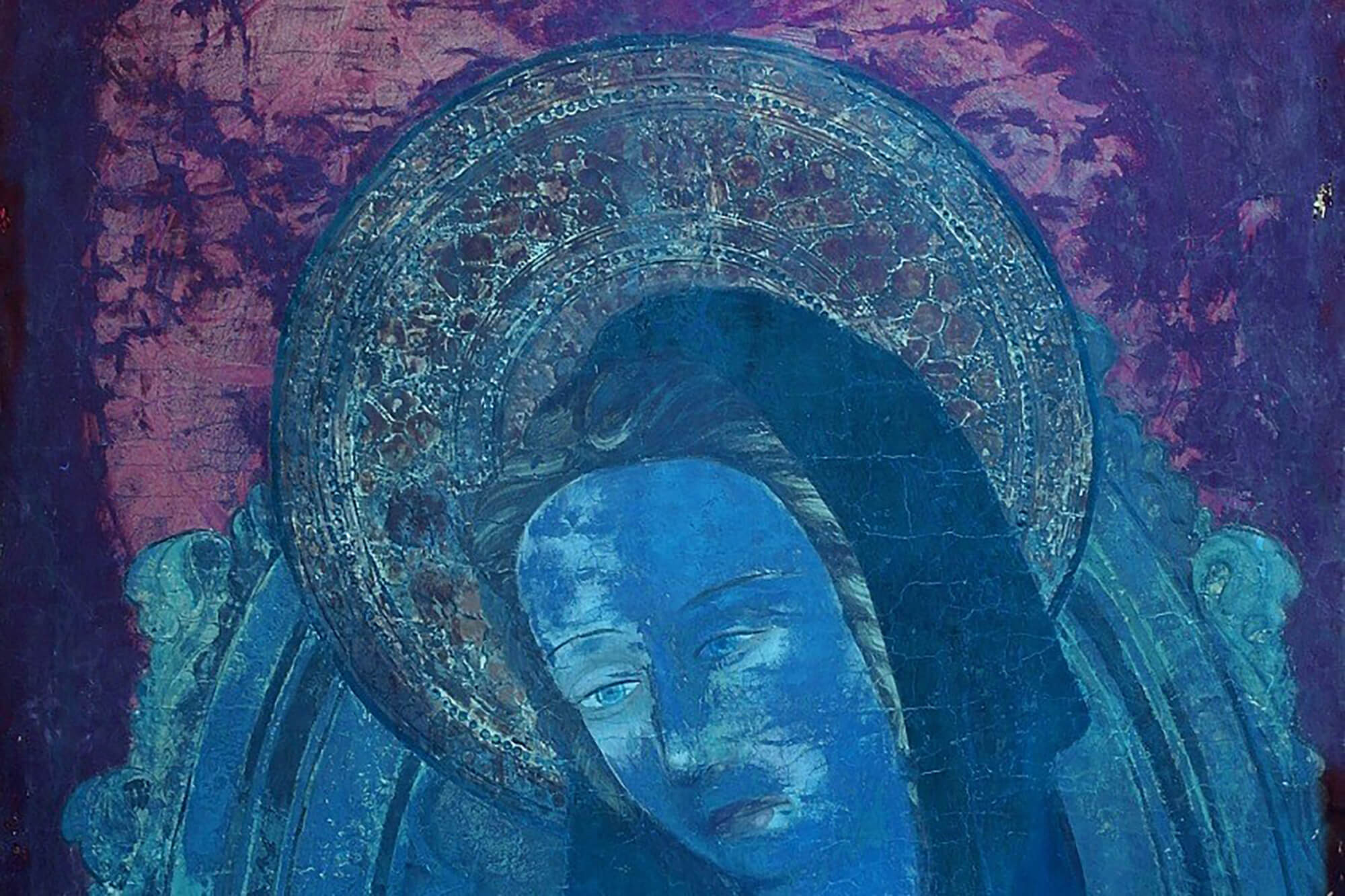
The imaging UV fluorescence exploits the properties of certain pigments and varnishes to emit specific light when subjected to ultraviolet radiation. This technique is particularly valuable for the analysis of paints, manuscripts and polychrome objects.
It reveals essential information about the state of conservation of the works :
An essential diagnostic tool, UV fluorescence illuminates areas of interest to guide restoration work or alert us to any old interventions.
The IR reflectography allows to examine the deep layers of a pictorial work using a high-definition infrared camera. By penetrating the upper layers, this radiation reveals what is invisible to the naked eye.
It is used for :
The preferred tool of art experts, IR reflectography is an invaluable aid to authentication and the study of the creative process.
For more than 20 years, CIRAM has been supporting museums, galleries, art market experts and archaeologists in their scientific heritage analysis projects. Thanks to a unique combination of scientific skills and state-of-the-art equipment, CIRAM guarantees examinations adapted to each work, whatever its format or state of conservation.
Technologies used include :
These techniques can be combined with each other or coupled with complementary methods : carbon-14 dating, pigment analysis, microanalysis, or radiography. For paintings, these cross-analyses are often necessary to confirm attribution hypotheses or reveal the exact nature of an old treatment.
Each intervention is accompanied by an illustrated scientific report, adapted to the challenges of conservation, authentication or enhancement of the work.
Contact our teamsPaintings, frescoes, manuscripts, decorated or polychrome objects.
No. These are non-invasive, non-contact methods, perfectly suited to conservation requirements.
Before restoration, to guide interventions; during appraisal or attribution; or in a museographic or scientific context.
Yes, CIRAM combines optical imaging with other methods (dating, radiography, microanalysis) for a complete study.
Yes, our teams travel with portable equipment and carry out analyses in situ, while respecting conservation conditions.
Reading time: Written by: Article outline CIRAM recently dated two pieces of fossilized wood: a “morta” oak and a marsh yew. Both were found buried in the same place…
Choosing the right dating method in archaeology is not just a technical issue: it is a key decision that guides the entire interpretation of a site. Which technique to choose...
How can we retrace the invisible history of ecosystems and better understand the dynamics of biodiversity? Thanks to carbon-14 dating, researchers now have a scientific tool that they can use to...
Distinguishing a work of art in bronze from one in brass is not possible at a glance, however expert. Deceptive patinas, invisible restorations, sophisticated forgeries...
How do you know whether a work of art, an archaeological object or a heritage item is really as old as it claims to be? Carbon-14 dating is often the method of choice, but it can also be used to...
A simple signature can make the difference between an anonymous work and a masterpiece valued in the millions on the art market. But what happens when that signature is...