01 - Food quality control laboratory
Radiocarbon analysis of industrial products can be used to detect adulteration by the addition of synthetic products, and to verify manufacturing or extraction processes. This method quantifies the percentage of natural ingredients and guarantees the integrity of biobased materials.
The study of stable isotopes also makes it possible to determine the geographical and botanical origin of products such as coffee or meat, and to authenticate products from organic farming.
Read more
02 - Radiocarbon analysis of biofuels
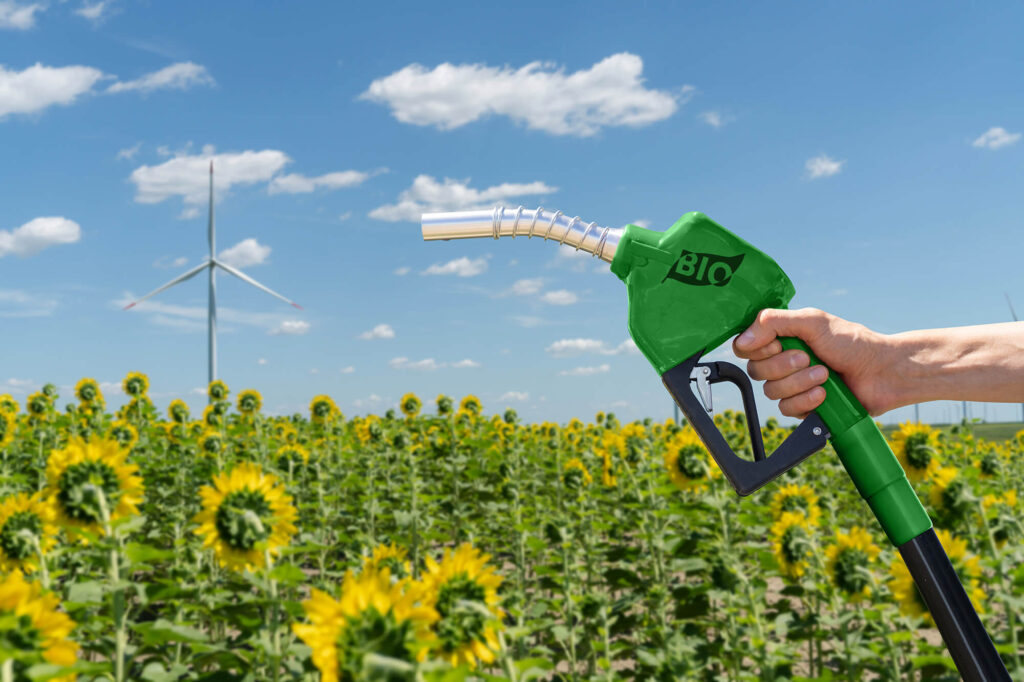
Our laboratory measures the biogenic carbon content and controls the composition of your solid, liquid or gaseous biofuels.
Radiocarbon analysis quantifies the bio-based portion of biofuels relative to their fossil-based portion. CIRAM supports applies the (ASTM D6866 ensure that biofuels comply with regulatory and environmental requirements, thereby guaranteeing their traceability and certification.
Read more
03 - Analysis of Biogas and Industrial Flue Gases
Radiocarbon analysis measures the proportion of biogenic carbon in biogas and industrial flue gases. This measurement is essential for certifying the renewable origin of biogas and quantifying the proportion of biomass burned in industrial processes.
CIRAM uses (ASTM D6866 and NF EN ISO 13833, etc. standards to guarantee compliance with environmental regulations and ensure traceability of energy sources as part of its transition to sustainable energies.
Read more
04 - Radiocarbon analysis of bioplastics
Our experts assess the biogenic carbon content of your biopolymers and bioplastics using the radiocarbon dating. CIRAM applies the the (ASTM D6866 and ISO 16620-2… to certify the bio-based content of materials.
This analysis is essential for obtaining eco-labels, such as OK Biobased and DIN CERTCO, which certify the renewable origin of bioplastics and facilitate their integration into the sustainable market.
CIRAM was also approved by TUV AUSTRIA in 2024.
Read more
05 - Analysis of bio-sourced building materials
From insulation panels and flooring to furnishings, our laboratory examines and assesses the biobased content of all building materials.
The 2020 Environmental Regulations (RE 2020) designate bio-based materials as priority solutions for new construction. To ensure their certification (particularly the Karibati label) and assist manufacturers in validating their eco-friendly materials, CIRAM applies the the standards that and EN 16785 standards.
Read more
06 - Analysis of Solid Recovered Fuel (SRF)
Radiocarbon analysis assesses the proportion of biogenic carbon in solid recovered fuels, whether gaseous, liquid or solid.
This method allows for the precise measurement of the proportion of CO₂ derived from biomass compared to that from fossil fuel sources. CIRAM applies the NF EN ISO 21644 standard to ensure that CSR materials comply with environmental requirements and to optimize their energy recovery.
Read more
07 - Testing Laboratory for Bio-based Cosmetics
CIRAM analyzes the proportion of biobased products in cosmetics active ingredients and excipients.
We study raw materials, formulations and finished products using radiocarbon testing. This analysis applies to all levels of production, from R&D to the final product, to guarantee an optimal percentage of naturalness and help brands obtain certification attesting to a composition that respects ecological standards.
Read more
08 - Analysis of bio-based detergents and surfactants
Visit bio-based detergents and surfactants are increasingly in demand to limit the environmental impact of cleaning products. Radiocarbon dating allows for the verification of the proportion of biologically sourced carbon in these formulations.
CIRAM applies theASTM D6866 (ASTM D6866 and standards that to certify compliance with environmental requirements and support the attainment of certifications that highlight environmentally friendly products.
Read more
09 - Analysis of bio-based paints and pigments
Visit bio-based paints and pigments are developing to meet the requirements of environmental regulations and consumer expectations. CIRAM assesses the biogenic carbon content in these products to guarantee their composition and compliance with bio-based labels.
Using radiocarbon dating and the standards that and EN 16785 standards, we help manufacturers certify their paints and pigments by highlighting their bio-based content.
Read more