
Scientific imaging

CIRAM, expert in scientific imaging

Optical imaging techniques Radiographic imaging techniques
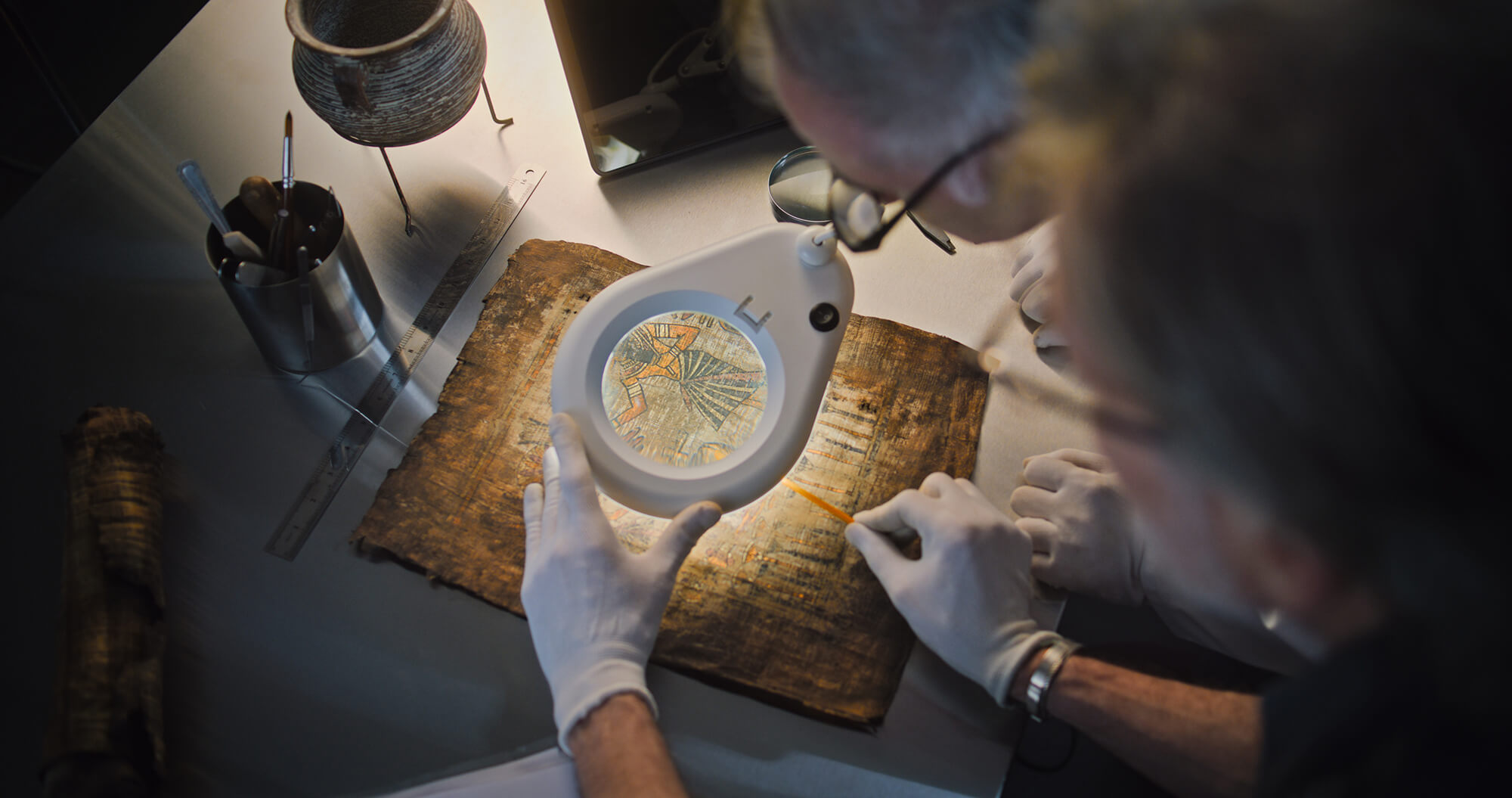
Close-up of papyrus being examined with a magnifying glass to verify its authenticity

Scientific imaging for your art objects

CIRAM supports uses scientific imaging to reveal the hidden face of art objects, without alteration or removal. It enables :

  • Detect past interventions (restoration, repainting),
  • Revealing buried drawings, hidden signaturesor manufacturing techniques,
  • Analyze the consistency of materials and the material history of the object,
  • Supporting authentication authentication procedures for the art marketmuseums or private collectors.

Thanks to this expertise, CIRAM offers a precise visual diagnosis, invaluable for restorers, conservators and experts.

Contact our teams
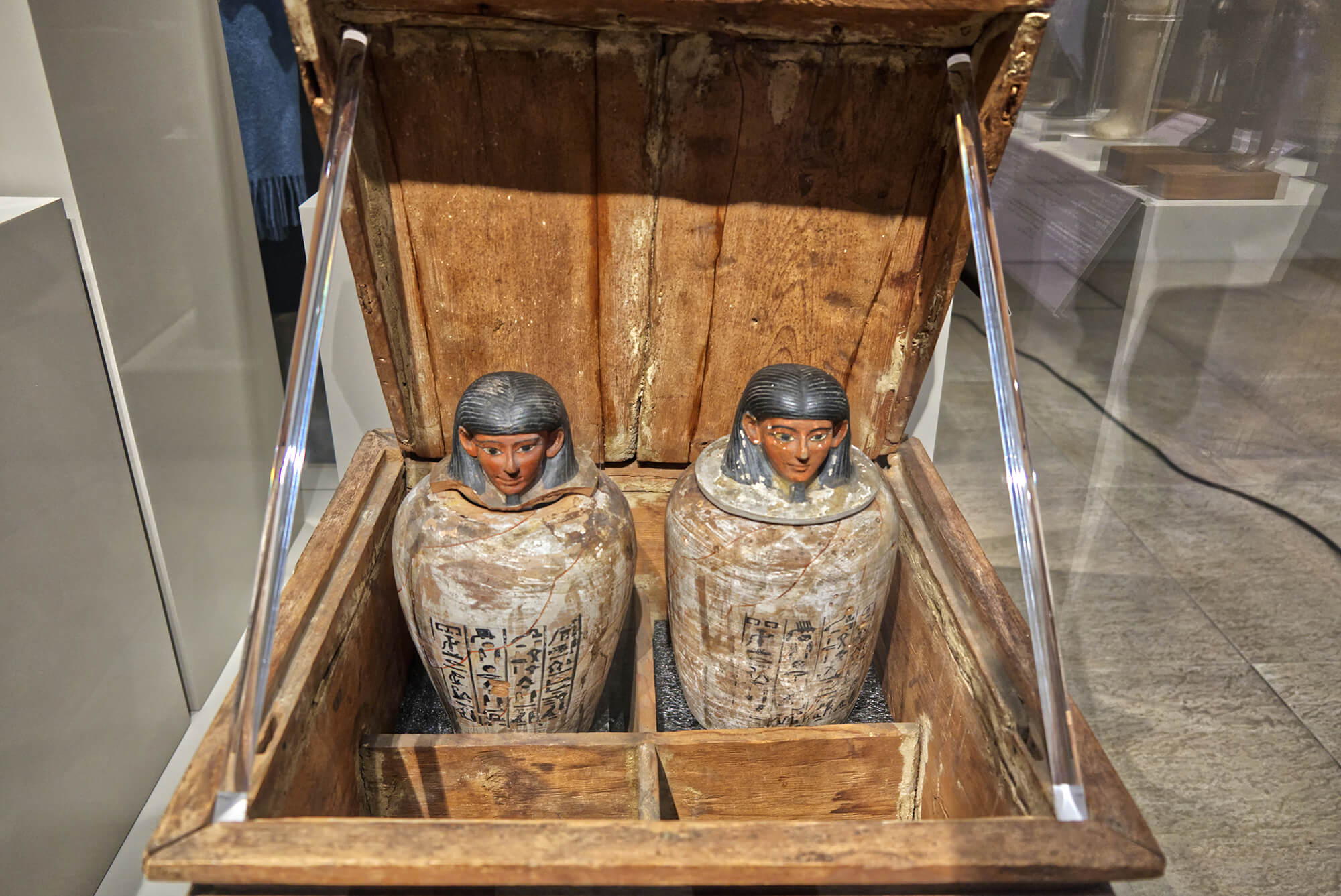
Egyptian cinerary urns in a museum display case

Valuable archaeological analyses

In the archaeological context, scientific imaging opens up new perspectives:

CIRAM supports supports archaeologists in the field and in the laboratory for a complete, respectful and scientific reading of heritage.

Contact our teams

Scientific imaging techniques

01 - Optical imaging techniques

Optical imaging enables the surface and underlying layers of artwork to be examined without contact or sampling. CIRAM uses :

  • The grazing light to reveal the reliefs, cracks, and support deformations,
  • The infrared reflectography to visualize preparatory drawings, pentimenti, or hidden signatures;
  • The UV fluorescence to detect restorations, cleanings, or specific pigments.

These examinations are invaluable for understanding the creative process, authenticating a work or guiding restoration. Non-destructive and available on site or in the laboratory, these techniques provide curators and experts with a precise and reliable reading of pictorial or manuscript works.

Read more

02 - Radiographic imaging techniques

Visit radiographic techniques allow exploring the inside of an object without damaging it:

  • The X-ray provides a 2D image of the materials traversed, revealing cracks, restorations, additions, or heterogeneities. It is fast, portable, and ideal for on-site analyses.
  • The CT scanning, carried out in a laboratory, offers a 3D modeling precise complex or sealed objects, such as urns or artifacts in matrix. It allows for true virtual excavations.

These technologies are used alone or in conjunction with other methods such as thermoluminescence datingand are adapted to the specific needs of art, archaeology and conservation professionals.

CIRAM laboratories, experts in scientific imaging

For nearly 20 years, CIRAM has put its interdisciplinary expertise at the service of heritage professionals: museums, archaeologists, restorers, auction houses and collectors.

Our equipment - X-ray, CT scan, UV fluorescence, infrared reflectography, grazing light - is deployed in the laboratory or on site, depending on the constraints of the object and the objectives of the project.

Each mission is carried out with absolute scientific rigor, and results in a report that can be used by heritage and art market professionals. art market.

Are you asking yourself these questions?

Why use scientific imagery on a work of art?

It can detect restorations, identify hidden signatures, reveal preparatory drawings and analyze materials non-intrusively.

What are the advantages of scientific imaging in archaeology?

It makes it possible to study artifacts without altering them, and to carry out virtual excavations on sealed or fragile objects.

Can we carry out an on-site analysis?

Yes, our portable equipment enables us to intervene directly in museums, on archaeological sites or at a collector's home.

How long does it take to get results?

This depends on the analysis required, but we are committed to delivering results as quickly as possible.

What objects can be analyzed using scientific imaging?

Paintings, sculptures, ceramics, manuscripts, archaeological objects and historical furniture.

Make an appointment with an expert

Get all the answers to your questions!

Make an appointment

Explore our dating and analysis resources

Archaeology
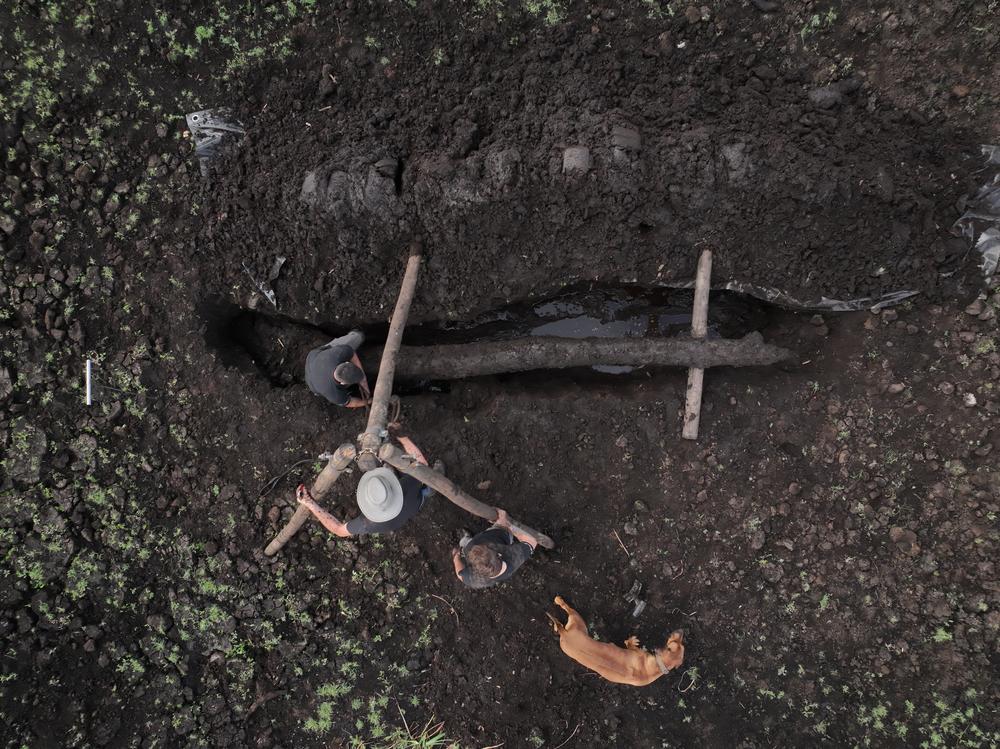
Fossilized wood samples dated by CIRAM lab

Fossilized wood samples dated by CIRAM lab

Reading time: Written by: Article outline CIRAM recently dated two pieces of fossilized wood: a “morta” oak and a marsh yew. Both were found buried in the same place…

Read the article

Archaeology
Comparison between carbon-14, TL, and OSL: which method should you choose?

Comparison between carbon-14, TL, and OSL: which method should you choose?

Choosing the right dating method in archaeology is not just a technical issue: it is a key decision that guides the entire interpretation of a site. Which technique to choose...

Read the article

carbon-14
How carbon-14 analysis helps preserve biodiversity

How carbon-14 analysis helps preserve biodiversity

How can we retrace the invisible history of ecosystems and better understand the dynamics of biodiversity? Thanks to carbon-14 dating, researchers now have a scientific tool that they can use to...

Read the article

Art market
How to recognize bronze and differentiate it from brass?

How to recognize bronze and differentiate it from brass?

Distinguishing a work of art in bronze from one in brass is not possible at a glance, however expert. Deceptive patinas, invisible restorations, sophisticated forgeries...

Read the article

Archaeology
The limits of carbon-14 dating: when should we turn to other methods?

The limits of carbon-14 dating: when should we turn to other methods?

How do you know whether a work of art, an archaeological object or a heritage item is really as old as it claims to be? Carbon-14 dating is often the method of choice, but it can also be used to...

Read the article

Art market
How to recognize a forged signature on a painting?

How to recognize a forged signature on a painting?

A simple signature can make the difference between an anonymous work and a masterpiece valued in the millions on the art market. But what happens when that signature is...

Read the article

Request a quote