

How to recognize a forged signature on a painting?
Reading time:
Reading time:
Article Outline
- What are some signs that can help you spot a forged signature?
- Warning signs that an expert can spot with the naked eye
- The limits of traditional methods in the face of modern painting forgery
- The Role of Scientific Techniques in Analyzing a Signature on a Painting
- Study of signature materials: pigments, binders, inks
- In-depth observation with microscopy and scientific imaging
- Analytical laboratories: a strategic partner for art professionals
- CIRAM: a laboratory for authenticating signed paintings
- Professionalizing traceability through a rigorous scientific approach

Among art market professionals, a signature—no matter how discreet—can add thousands, or even millions, of euros to the value of a painting. However, a signature alone does not guarantee a work’s authenticity. It may have been forged, added after the painting was completed, or altered during restoration.
In the face of a globalized market and increasingly inventive forgers, certain clues may be visible to the naked eye, but only a scientific analysis can verify whether a signature is consistent with the materials, the technique used, and the period in which the painting was created.
In this article, discover what clues may serve as warning signs, what analyses can be used to study a signature, and why it is essential to cross-reference these results with an examination of the work as a whole.
In summary:
- Given modern forgery techniques, the analysis of a signature cannot rely solely on visual observation.
- Scientific analyses (UV imaging, infrared imaging, X-ray imaging, and spectrometry) make it possible to study the composition and chronology of a signature.
- Combined with an analysis of the painting’s materials, this approach provides objective evidence to authenticate a work of art and ensure the reliability of expert assessments.
What are some signs that can help you spot a forged signature?
However, an unusual signature does not necessarily mean that the painting is a forgery. Some artists have changed their signatures over the course of their careers or have signed certain works several years after they were created. Conversely, a perfectly imitated signature may conceal a forgery. That is why it must always be examined in conjunction with the materials, the technique used, and the history of the work.
Warning signs that an expert can spot with the naked eye
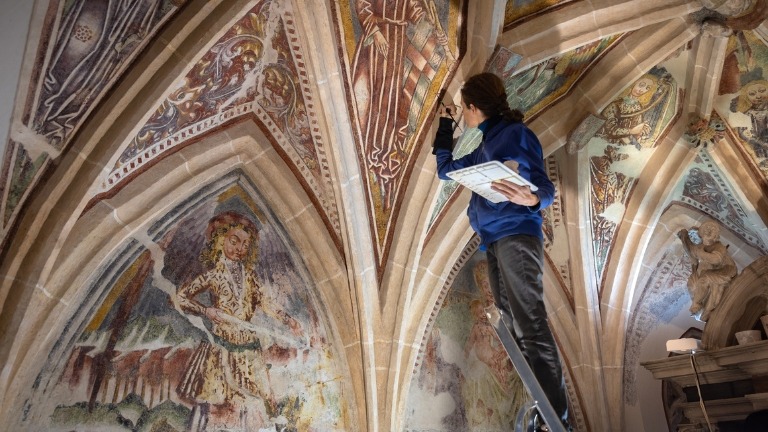
When a professional examines a signature, there are several visual criteria that may indicate forgery. One of the first reflexes is to compare the suspect signature with certified copies by the same artist. This comparative analysis focuses on elements as precise as the shape of the letters, the regularity of the gesture, the pressure of the stroke or the use of the medium (oil, ink, graphite).
The expert will also observe the coherence between the signature and the paint layer: is it located below or above the varnish? Is it in harmony with the natural wear of the support? A signature that seems to "float" on the surface, or whose colors are found nowhere else on the canvas, is a warning sign.
Finally, the composition as a whole must be studied in terms of stylistic chronology: does the signature correspond to the work's supposed period? Are the materials used compatible with those available at the time? These analyses can sometimes reveal inconsistencies that are striking to the naked eye.
The limits of traditional methods in the face of modern painting forgery
Today, visual expertise faces its own limits in the face of advances in forgery techniques. Some counterfeiters use sophisticated processes: stencilling from authentic signatures, meticulous imitation of the gesture, insertion of ancient pigments to cover their tracks. A masterpiece of craftsmanship.
The deception sometimes reaches such a level that a signature may be added during restoration to pass off an anonymous work as a signed painting. Even the most seasoned expert will be in trouble when period materials such as old canvases, original frames and historic pigments are reused to cover traces.
This is why art professionals are increasingly turning to an integrated approach, combining a sensitive eye and scientific tools such as multispectral imaging orchemical analysis of paintings. Rigorous and reassuring expertise can no longer do without scientific evidence capable of confirming or refuting what the eye perceives.
The Role of Scientific Techniques in Analyzing a Signature on a Painting
Science can compensate for the limitations of visual examination. Thanks to high-performance analysis tools, it is now possible to precisely characterize the materials making up a signature, and to place them in their temporal and pictorial context.
Study of signature materials: pigments, binders, inks
Like the rest of the painting, a signature consists of identifiable materials: ink, oil paint, acrylic, charcoal, or oil pastel. Their composition can be analyzed and compared to that of the other materials present in the artwork. Chemical analysis makes it possible to detect these components with great precision, using techniques such as Fourier-transform infrared spectroscopy (FTIR), Raman spectroscopy, and X-ray fluorescence (XRF).
These methods make it possible to compare the pigments and binders used for the signature with those used for the rest of the pictorial composition. A discrepancy in chemical formulation, such as ink containing synthetic dyes that appeared after the artist's supposed death, will reveal a proven indication of forgery. Similarly, the use of pigments incompatible with the presumed period or absent from the artist's usual palette may reveal a later addition or forgery.
In-depth observation with microscopy and scientific imaging
It is also essential to understand when signatures incorporated into older works were applied. To this end, stratigraphic analysis is crucial for visualizing the different layers of material and the chronological order in which they were applied. Under an electron or optical microscope, it is possible to determine whether the signature lies on top of a layer of varnish, which would indicate that it was added after the work was completed.
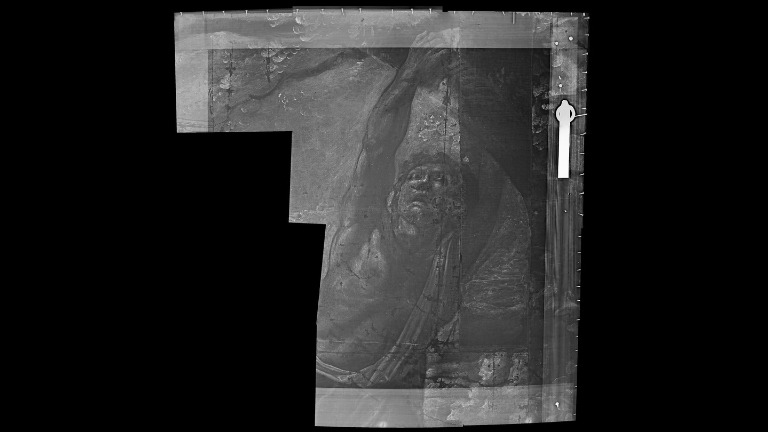
UV (ultraviolet), IR (infrared), and X-ray imaging, on the other hand, reveal what is invisible to the naked eye. UV, for example, can reveal abnormal fluorescence around a repainted signature. Infrared imaging allows us to see beneath the original paint layer in search of a signature that has been erased, altered, or added later. Finally, X-ray imaging identifies material densities: any mechanical engraving or foreign material stands out immediately.
The use of these analytical techniques makes it possible to cross-reference important physical data. It becomes possible to identify not only the chemical nature of a signature, but also its chronology and its formal relationship to the painting. This provides crucial support for any rigorous expert analysis.
Analytical laboratories: a strategic partner for art professionals
Today's art market players can no longer do without scientific expertise, given the growing sophistication of falsification techniques. Collaborating with a specialized laboratory helps to secure attributions, consolidate files and reinforce the credibility of transactions.
CIRAM: a laboratory for authenticating signed paintings
For over 20 years, CIRAM has supported museums, auction houses, galleries, legal experts and collectors in validating the authenticity of works of art. When it comes to verifying a signature, each intervention begins with a multidisciplinary approach: chemical analysis, imaging techniques, study of the supports and comparison with the materials of the rest of the painting.
When there is doubt about a signature, CIRAM determines whether the ink or pigment used is contemporary with the other materials in the painting or whether it was added at a later date. Stratigraphy also makes it possible to determine at what point in the work’s history the signature was applied. This approach provides the expert or auctioneer with objective documentation that allows them to support or reconsider an attribution of the work.
Thanks to infrared imaging and UV or X-ray fluorescence analysis, it is also possible to reveal elements invisible to the naked eye: masked, overpainted or superimposed signatures. The expert painting analysis laboratory then provides a clear, illustrated report that can be used for sales, expert appraisals or litigation.
Professionalizing traceability through a rigorous scientific approach
Having a signature authenticated by a recognized laboratory such as CIRAM is not just a security practice, but a strategic one. An analysis report serves as evidence in the event of litigation, inheritance or a sensitive international transaction. It reassures all stakeholders and guarantees a precious level of traceability in a market where provenance is a value in itself.
Beyond authentication, laboratory work also contributes to the enhancement of a painting's heritage. It lends weight to a certificate of expertise, facilitates insurance or the entry of a work into a public collection. In short, it is a tool for transparency, rigor and security in an ecosystem where every detail counts.
At a time when the art market is increasingly victimized by sophisticated forgeries, the analysis of a signature can no longer rely solely on visual examination, however legitimate this may be. As we have seen, only the combination of expert observation and rigorous scientific tools can reliably determine the authenticity of a signed painting.
Spectrometry, multispectral imaging, stratigraphy, and to carbon-14 dating : CIRAM has mastered all of these techniques and offers them to support professionals in the art market. Whether the goal is to validate an attribution, ensure a secure sale, or document a collection, our scientific approach is essential to guaranteeing the transparency and traceability of your artworks.
Have you come across a suspicious signature, or would you like to verify the authenticity of a painting? Our experts are here to help, offering a customized analysis tailored to your specific needs. Protect your acquisitions and strengthen your expertise by contacting our teams.
Share this article

You might be wondering about these questions regarding the signatures on the paintings?
A signature alone is not enough to authenticate a painting. The examination of the painting must be supplemented by an analysis of the materials, pigments, stratigraphy, and scientific imaging techniques in order to verify that it is consistent with the period and the creation of the work.
Yes. A signature can be added several years after a work was created, during restoration, or as part of a forgery. Only scientific analysis can determine when it was applied.
In particular, the laboratories use ultraviolet imaging, infrared imaging, X-ray imaging, microscopy, and various chemical analysis techniques (Raman, FTIR, X-ray fluorescence) to study the materials and the chronology of a signature.
Yes. The identification of pigments, binders, or inks that are incompatible with the presumed date of creation may indicate that a signature was added at a later date or that it dates from the time of restoration.
A specialized laboratory combines visual observations with scientific analyses to provide objective evidence regarding the painting’s signature, materials, and history. This approach helps ensure the reliability of an expert assessment or attribution.
Related topics


Need more information or have a question?
Our team will get back to you as soon as possible.